Lash Lift Risks Before Your Event What You Need to Know

A lash lift can look beautiful when it goes well. The lashes look curled, lifted, and more open without needing a curler every morning. But before a wedding, vacation, photoshoot, prom, or any major event, a lash lift is not something to try on a whim.
A successful lash lift curls and lifts lashes, eliminating the need for a curler. However, it's not advisable to try it impulsively before major events like weddings or photoshoots.
The reason is simple: not every set of lashes reacts the same way to the chemicals used in the service. Some clients get a soft, flattering curl. Others leave with lashes that look too curly, kinked, frizzy, or over processed. In the worst cases, the lashes can become brittle and break.
If the goal is to look polished for an event, timing matters. A lash lift should never be treated like a last-minute beauty appointment. If this is a service you want to try, test it at least six months before your event, not the week of.

What a lash lift actually does
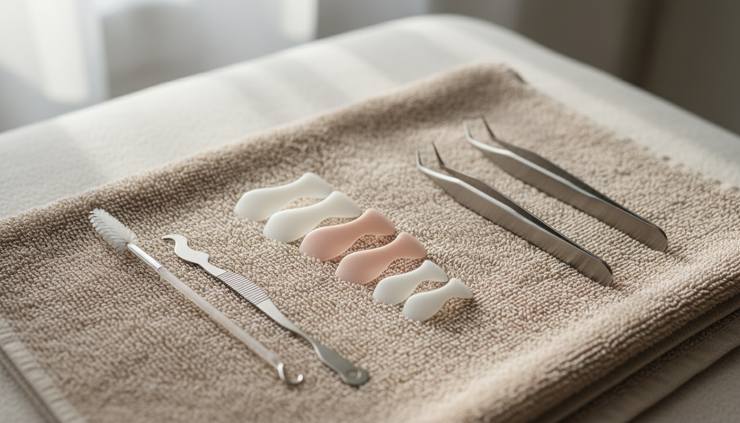
A lash lift changes the shape of your natural lashes using a chemical process. The lashes are placed over a silicone rod or shield, then treated with solutions that soften and reshape the hair. A setting solution helps hold the new curl.
Think of it as a perm for the lashes.
That can be a great option for someone with strong, healthy, downward-facing lashes that respond well to the process. It can make the eyes look more awake and can reduce the need for daily curling.
But lashes are still hair. They can become dry, weak, or damaged when they are processed too strongly, too often, or for too long. They can also react differently based on texture, length, density, previous damage, lash growth cycle, and even how carefully the service is performed.
A good lash lift should leave the lashes:
Lifted from the base
Smooth through the tips
Separated, not tangled
Curled in a flattering shape
Flexible, not crunchy or stiff
A bad lash lift may leave them:
Overly curled back toward the eyelid
Bent or kinked at odd angles
Frizzy at the tips
Crossed over each other
Dry, brittle, or breaking
The problem is that you often do not know which result you will get until after the service is done.
The biggest risk is over processed lashes
Over processed lashes are one of the main concerns with lash lifts. This can happen when the solution is too strong, left on too long, used on fragile lashes, or applied too close to a previous chemical service.
When lashes are over processed, they may look extremely curly instead of lifted. They can curl back into the eyelid area, twist sideways, or look uneven from eye to eye.
That kind of curl may not relax quickly. Lash lifts grow out with the natural lash cycle, so the result can linger for weeks while new lashes grow in and older lashes shed.
This is why getting a lash lift right before an event can be risky. If the curl is too tight, there may not be enough time to fix it gently. Trying to correct it too aggressively can add more stress to already weakened lashes.
The safest event beauty plan is one that allows time for a test run, a reaction, a correction if needed, and a full grow-out period before the big day.
Over processing can also make makeup and lash application harder. Mascara may clump on uneven hairs. Strip lashes may not sit well against lashes that are curled too tightly. Lash extensions can be more difficult to place cleanly if the natural lashes are bent, crossed, or curled back too sharply.
Why lash lifts before events are risky
Before an event, most people want predictable results. Hair color, brows, skin treatments, tanning, facials, and lashes all need time to settle. A lash lift is no different.
The risk is not that every lash lift will go wrong. Many turn out beautifully. The risk is that if it does go wrong, the timing is unforgiving.
A lash lift right before an event can cause problems like:
Lashes that look too curly in photos
Uneven lift between the two eyes
Lashes that point in different directions
Dry or brittle lashes that do not hold mascara well
Difficulty applying strip lashes or individual lashes
Eye irritation or sensitivity close to the event
Stress when there is little time to safely adjust the result
Even a minor issue can feel bigger when there are photos, travel, or a packed event schedule involved.
For example, a client may love the idea of waking up with curled lashes during a destination wedding weekend. But if the lift turns out too tight two days before flying, there may be no easy way to soften the look without risking more damage.
That is why the best time to test a lash lift is not right before the event. It is months earlier, when the pressure is low and there is plenty of time for the lashes to go through a normal growth cycle.
Test the service at least six months before your event
If you are curious about lash lifts and have a major event coming up, the best plan is to try the service at least six months ahead of time.
That may sound early, but it gives you important information:
How your lashes respond to the lifting solution
Whether the curl shape suits your eye
How long the result lasts on you
Whether your lashes feel dry afterward
Whether mascara or false lashes still apply well
Whether you experience irritation or sensitivity
A six-month test window also gives your lashes time to recover and grow out if the result is not what you hoped for.
This timing is especially helpful before:
Weddings
Engagement photos
Bridal showers
Proms
Graduations
Vacations
Professional photos
Performances
Any event where photos matter
If the test lift looks great and your lashes stay healthy, you can discuss timing with your lash artist for the event. If the test lift causes brittleness, excessive curl, or breakage, you have your answer before the pressure is high.
That test is not wasted. It protects your event look.

Do not get lash lifts every six weeks
Many people are told lash lifts last around several weeks, so they assume they should rebook as soon as the curl starts to fade. The problem is that repeating chemical services too often can dry out the lashes.
Do not get lash lifts every six weeks as a standing routine. For many clients, that is too frequent, especially if the lashes are fine, naturally dry, sparse, or already weakened.
Lashes need time. They grow, rest, shed, and replace themselves. A lift only affects the lashes present at the time of the appointment, but frequent processing can still leave many of those lashes feeling brittle before they naturally shed.
Signs your lashes need a break include:
They feel rough or dry
They look thinner than usual
The tips look frayed
Mascara makes them look clumpy
They break instead of shedding naturally
They do not bend softly
They look crisscrossed or uneven
If any of those signs show up, wait. Focus on gentle care instead of another lift.
A healthy lash routine between services can include:
Removing makeup gently
Avoiding rubbing or pulling
Skipping waterproof mascara when possible
Using a clean spoolie to separate lashes
Keeping heavy oils away if you wear extensions
Asking a qualified professional before using lash serums
The goal is not just curled lashes. The goal is healthy lashes that can handle styling without snapping.
Lash lifts can make false lashes harder to apply
This is one of the most overlooked issues before events. Many people plan to get a lash lift, then still wear strip lashes or have lashes applied for the event. That combination does not always work well.
When natural lashes are curled too strongly, they can get in the way of lash application. A strip lash band may not sit close to the lash line because the natural lashes are pushing upward. Individual lashes or extensions may be harder to place if the natural lashes are bent or twisted.
The result can look messy, lifted away from the skin, or uncomfortable.
For events, most makeup artists prefer a clean, predictable base. Natural lashes that are healthy and easy to work with often matter more than pre-curled lashes.
If you already know you want strip lashes, individual lashes, or extensions for the event, ask your makeup artist or lash artist before booking a lift. In many cases, skipping the lift is the better choice.
This is especially true if:
Your lashes already have a natural curl
You want dramatic event lashes
Your lashes are short or fine
You have had a lift go too curly before
You are trying a new technician
You are close to the event date
A lash lift should support the final look, not fight against it.

When a lash lift may be a good choice
Lash lifts are not bad across the board. They can be a great service for the right person, at the right time, with the right professional.
A lash lift may be a good fit if your lashes are:
Healthy and not brittle
Long enough to wrap smoothly over a shield
Naturally straight or downward-facing
Free from recent chemical damage
Not shedding heavily
Strong enough to tolerate processing
It also helps if you want a soft, natural look rather than heavy drama.
A skilled lash artist should assess your lashes before starting. They should look at lash condition, length, density, and direction. They should also explain aftercare and give honest advice if your lashes are not in good shape for the service.
A patch test may be recommended, especially if you have a history of sensitivity. If you have eye conditions, allergies, recent eye surgery, or ongoing irritation, speak with a qualified medical professional before booking any service near the eyes.
For best results, do not treat a lash lift like a quick add-on. Treat it like a chemical service that needs planning.
What to do instead before a big event
If your event is coming up soon and you have never had a lash lift, the safest choice is usually to skip it for now. There are other ways to make lashes look beautiful with less long-term risk.
Options to consider include:
A high-quality mascara applied by your makeup artist
Individual lashes placed only where needed
A soft strip lash that suits your eye shape
Lash extensions done by a trusted artist well before the event
A gentle lash curl on the event day
A lash tint, if appropriate and performed safely
None of these are risk-free, but many are easier to adjust or remove than a chemical lift that has reshaped the natural lashes.
If you want the lifted look but your event is close, talk through the final makeup plan first. A makeup artist may be able to create the open-eye effect with lash placement, liner, and mascara.
That can be a better choice than gambling on a last-minute chemical service.
The best event lash plan
A smart lash plan depends on timing.
If your event is six months or more away, you can test a lash lift once and see how your lashes respond. Pay attention to the curl, texture, comfort, and how your lashes look as the lift grows out.
If your event is one to three months away, be cautious. Only consider a lift if you already know your lashes tolerate it well and you trust the artist.
If your event is a few weeks away and this would be your first lash lift, skip it. Choose makeup, strip lashes, or another temporary option instead.
The safest rule is simple: never try a new lash lift right before an important event.
Lash lifts can be beautiful, but they are still chemical treatments. Some lashes respond perfectly. Others become too curly, brittle, or hard to style. Give yourself time to test the service, avoid repeating it every six weeks, and protect the health of your natural lashes first.
A good event look should make the day feel easier, not give you one more thing to worry about.
A successful lash lift curls and lifts lashes, eliminating the need for a curler. However, it's not advisable to try it impulsively before major events like weddings or photoshoots. Not all lashes react the same to the chemicals used, leading to overly curly, frizzy, or brittle lashes. It's best to test the service at least six months before an event to ensure it suits your lashes and allows time for any corrections.
What a lash lift actually does
A lash lift uses a chemical process to reshape natural lashes by placing them over a silicone rod and applying solutions that soften and set the curl. It works well for strong, healthy lashes but can damage if over-processed. A good lift results in lifted, smooth, separated, and flexible lashes, while a bad one can leave them overly curled, frizzy, or brittle.
The biggest risk is over processed lashes
Over-processing can cause lashes to curl back into the eyelid, look uneven, and make makeup application difficult. The curl may last weeks, making it risky to get a lift right before an event.
Why lash lifts before events are risky
Getting a lash lift right before an event can lead to unpredictable results like overly curly lashes, uneven lift, or eye irritation. Testing the service months before ensures time for adjustments and prevents stress.
Test the service at least six months before your event
Testing a lash lift six months ahead provides insight into how your lashes respond and allows for recovery if needed. This is crucial for events like weddings, photoshoots, or any occasion where appearance matters.
Do not get lash lifts every six weeks
Frequent lash lifts can dry out and damage lashes. Signs of needing a break include roughness, thinning, or brittleness. Focus on gentle care between services to maintain healthy lashes.
Lash lifts can make false lashes harder to apply
Strongly curled lashes can interfere with applying strip lashes or extensions, leading to a messy look. Consult your makeup artist before deciding on a lift if you plan to use false lashes for an event.
When a lash lift may be a good choice
A lash lift suits those with healthy, straight lashes seeking a natural look. A skilled artist should assess lash condition and provide guidance. Avoid treating it as a quick add-on service.
What to do instead before a big event
If an event is near and you've never had a lash lift, consider alternatives like high-quality mascara, individual lashes, or lash extensions done in advance. These options are easier to adjust than a chemical lift.
The best event lash plan
Plan lash treatments based on timing. Test a lift months in advance if possible. If an event is soon, opt for temporary solutions. Never try a new lash lift right before an important event to avoid unexpected issues.
Comments